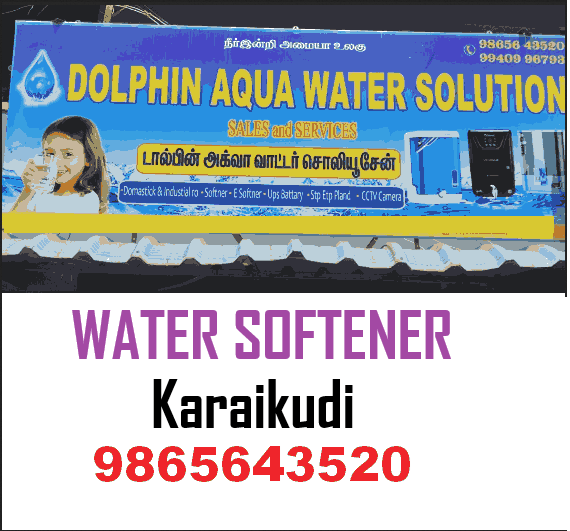
Dolphin Aqua water Softener in karaikudi
Address Info
Tamil Nadu
The Ultimate Guide to Water Softeners
What is a Water Softener?
water Softener for home in karaikudi is a household appliance that is used to remove minerals such as calcium and magnesium from hard water. Hard water contains high levels of these minerals, which can lead to a variety of issues such as limescale buildup in pipes and appliances, reduced soap lather when washing, and dingy-looking clothes after washing.
Water softeners work by using a process called ion exchange to replace the calcium and magnesium ions in the water with sodium ions. This process results in soft water that is gentler on your skin and hair, and more effective at cleaning and lathering.
Benefits of Using a Water Softener
1. Improved Skin and Hair Health
By removing the minerals that cause hard water, a water softener dealers can help improve the health of your skin and hair. Soft water is less harsh and drying, making it gentler on your skin and hair.
2. Longer Lasting Appliances
Hard water can lead to limescale buildup in your appliances, such as your dishwasher and washing machine. By using a water softener, you can help prevent this buildup, resulting in longer lasting appliances that operate more efficiently.
3. Cleaner Dishes and Clothes
Soft water is more effective at cleaning and lathering, resulting in cleaner dishes and clothes. You'll also notice that your dishes are less likely to have spots or film on them after washing, and your clothes will look brighter and feel softer.
4. Reduced Energy Costs
Limescale buildup in appliances can reduce their efficiency, leading to higher energy bills. By using a water softener sales and service center to prevent limescale buildup, you can help reduce your energy costs and save money in the long run.
How to Choose the Right Water Softener
When choosing a water softener, there are a few factors to consider:
1. Size
The size of the water softener installation you need will depend on the hardness of your water and the number of people in your household. A larger household with very hard water will require a larger water softener to meet their needs.
2. Type
There are several types of water softener price available, including salt-based, salt-free, and dual tank systems. Salt-based water softeners are the most common and effective at removing minerals from hard water.
3. Efficiency
Look for a water softener that is energy efficient and uses minimal salt and water during the regeneration process. This will help reduce waste and save you money on operating costs.
4. Warranty
Choose a water softener that comes with a warranty to protect your investment. Look for a warranty that covers both parts and labor for a reasonable amount of time.
Installation and Maintenance Tips
1. Professional Installation
While it is possible to install a water softener yourself, it is recommended to hire a professional to ensure it is done correctly. This will help prevent leaks and ensure the water softener is operating efficiently.
2. Regular Maintenance
To keep your water softener running smoothly, be sure to follow the manufacturer's recommended maintenance schedule. This may involve adding salt, cleaning the brine tank, and checking for leaks or other issues.
3. Testing Water Hardness
Periodically test the hardness of your water to ensure that your water softener is working effectively. If you notice any signs of hard water, such as limescale buildup, it may be time to adjust your water softener settings or schedule maintenance.
Conclusion
Investing in a water softener is a wise decision that can provide a variety of benefits for you and your household. By choosing the right water softener, following proper installation and maintenance tips, you can enjoy cleaner dishes, softer clothes, and healthier skin and hair. Consider these factors when selecting a water softener, and enjoy the benefits of soft water in your home.